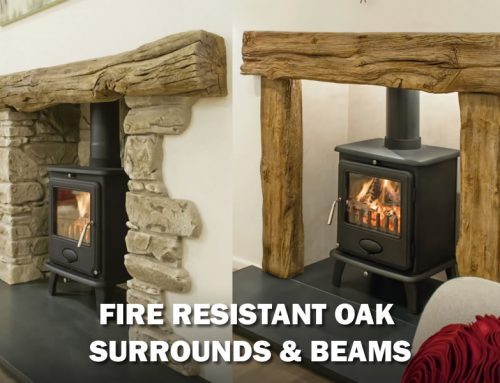
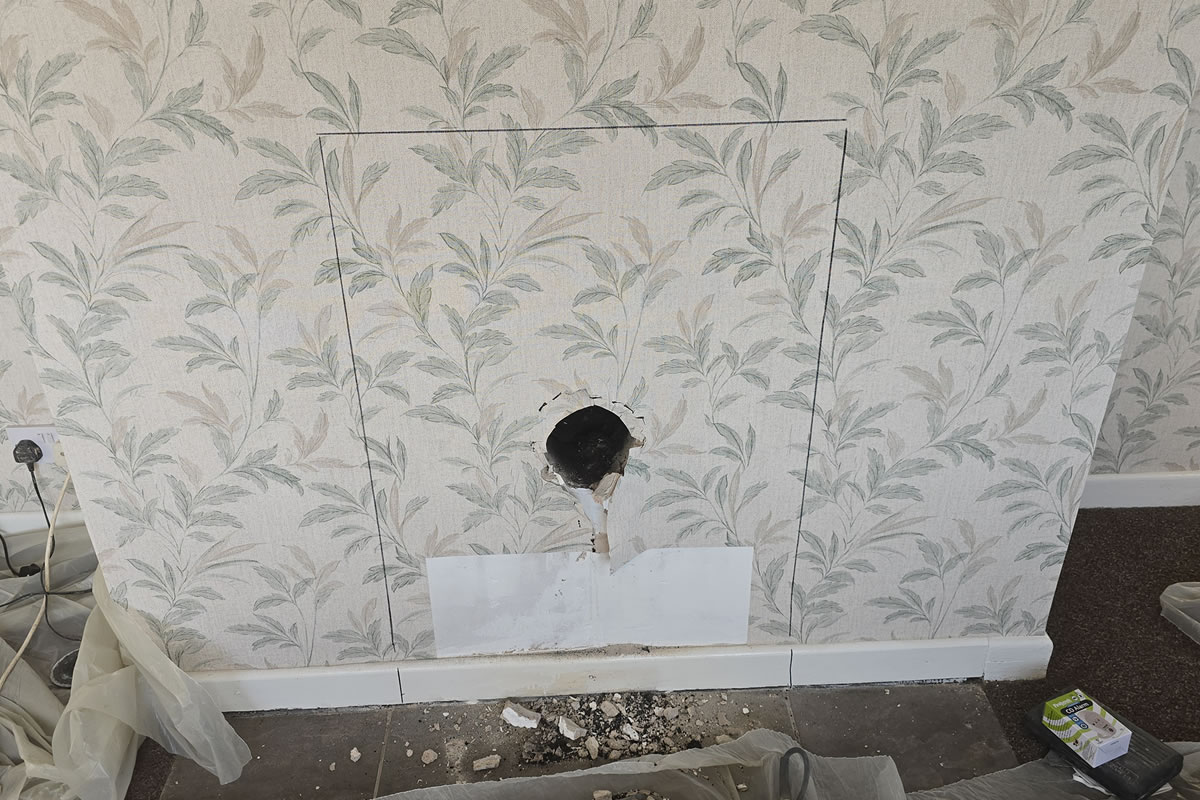
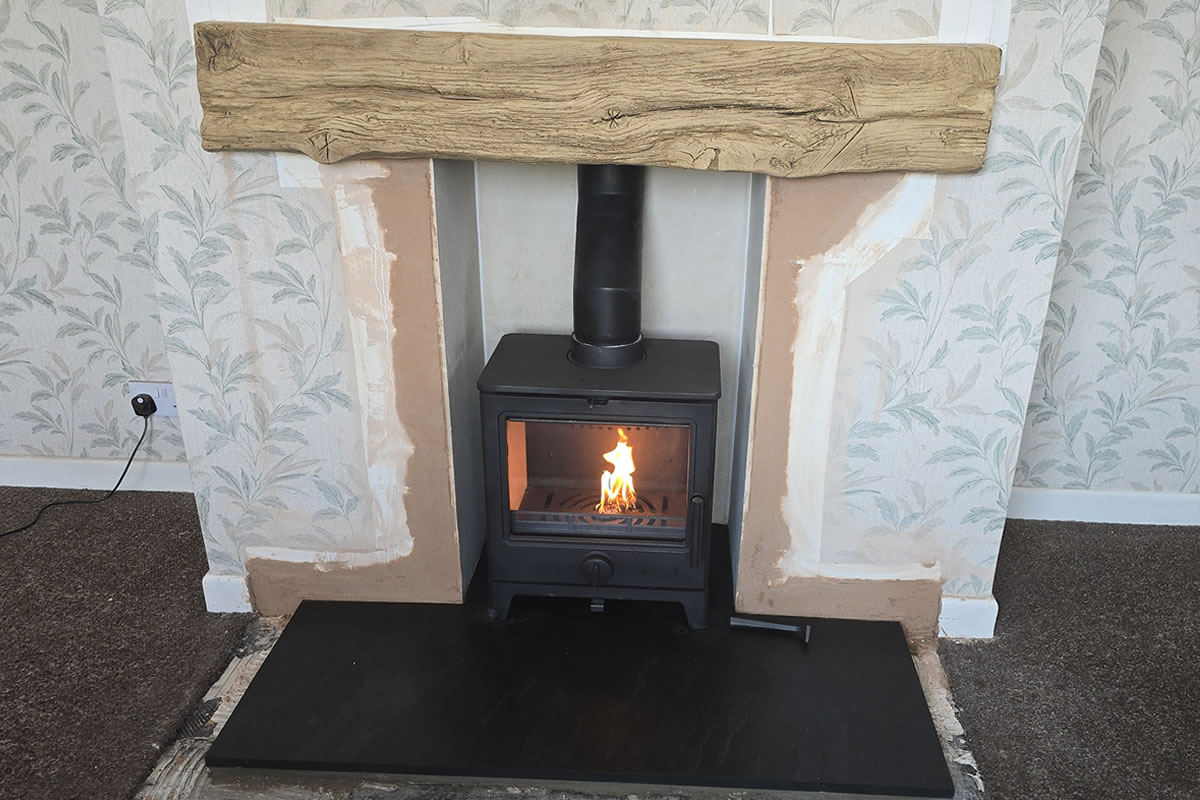
We are frequently asked to open up chimney breasts to create a suitable recess for a log burner. Before any work begins, we carry out an assessment to determine whether the chimney breast can safely be opened. This involves checking the age of the property, the method of construction, and the overall condition of the chimney. Because we have completed so many fireplace knockouts (also known as breakouts) over the years, we can usually tell during one of our free surveys whether a recess enlargement is realistic. In any case, we always advise speaking to a qualified builder or HETAS‑registered installer before attempting a knockout yourself, as there are structural and safety considerations that must be properly understood.
Properties built around 1900’s
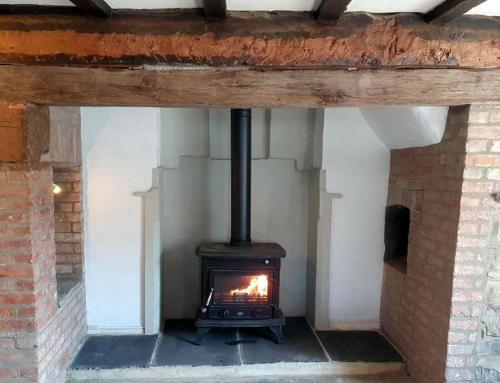
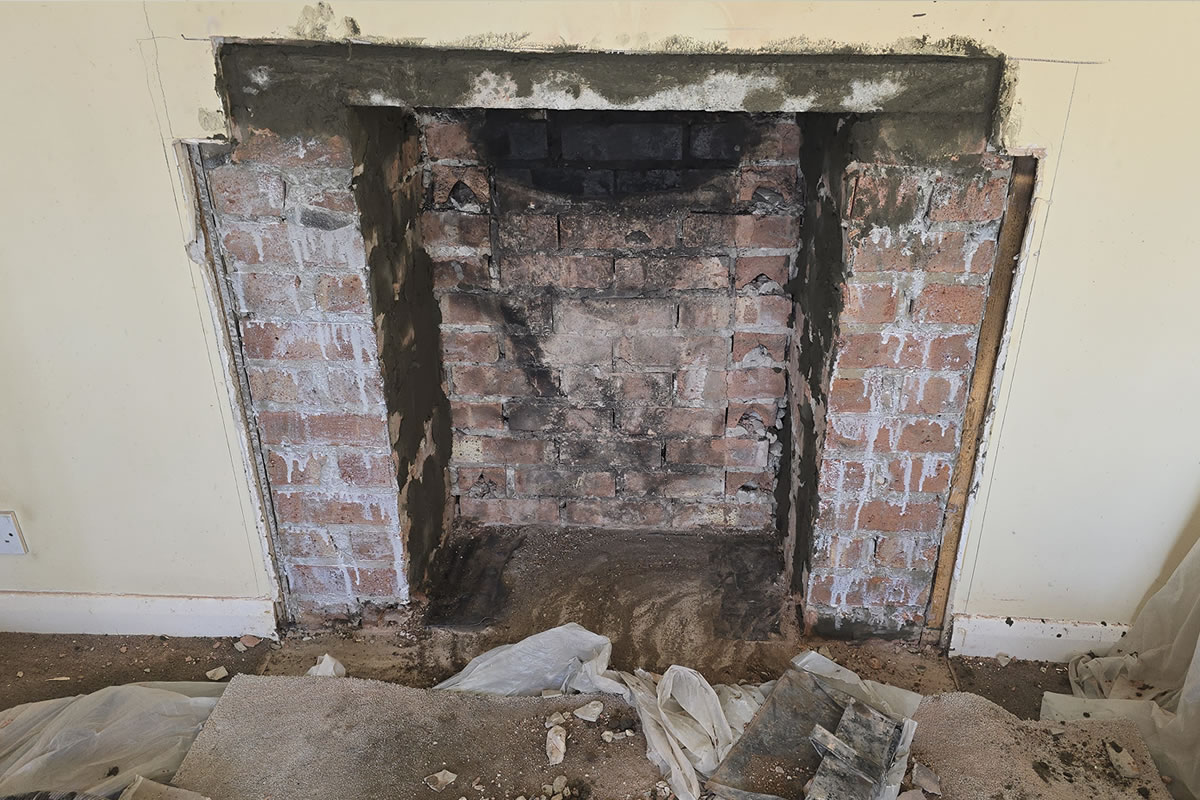
Properties built in the early 1900s tend to present fewer problems. Many of these homes were originally constructed with large open fireplaces, meaning that the existing recess simply needs to be excavated and reinstated. However, in older properties it is common to find fragile brickwork and friable, powdery mortar, which may require additional support work. This can include propping or replacing existing lintels and making localised repairs to ensure the recess is both safe and structurally sound.
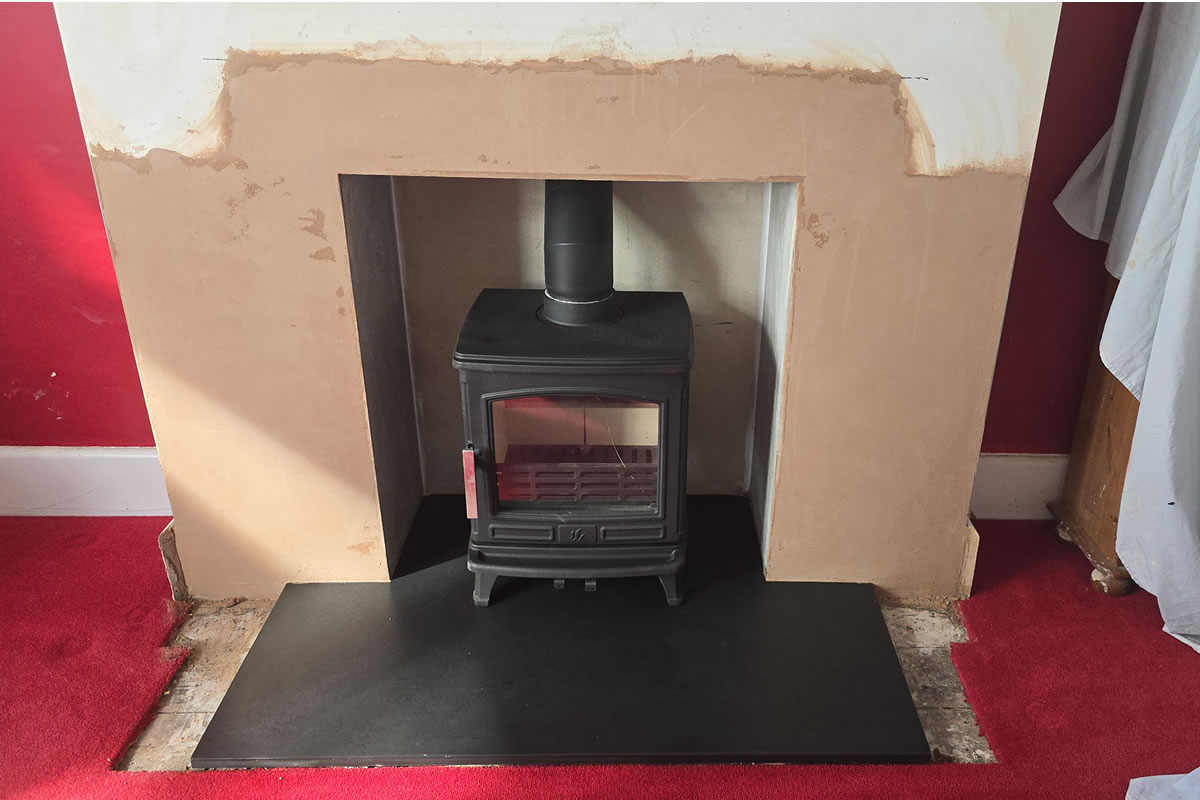
Properties built from 1950’s to 1990’s
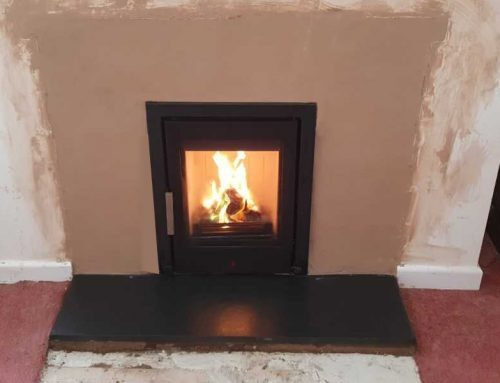
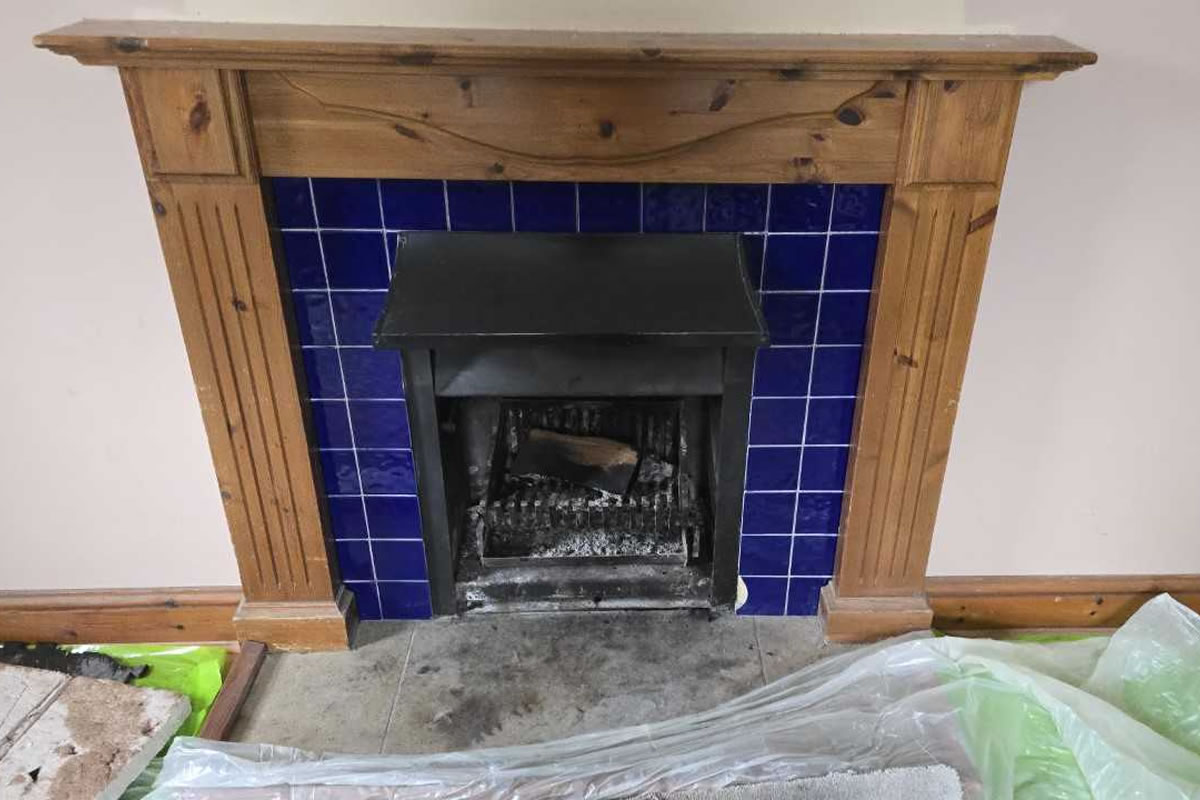
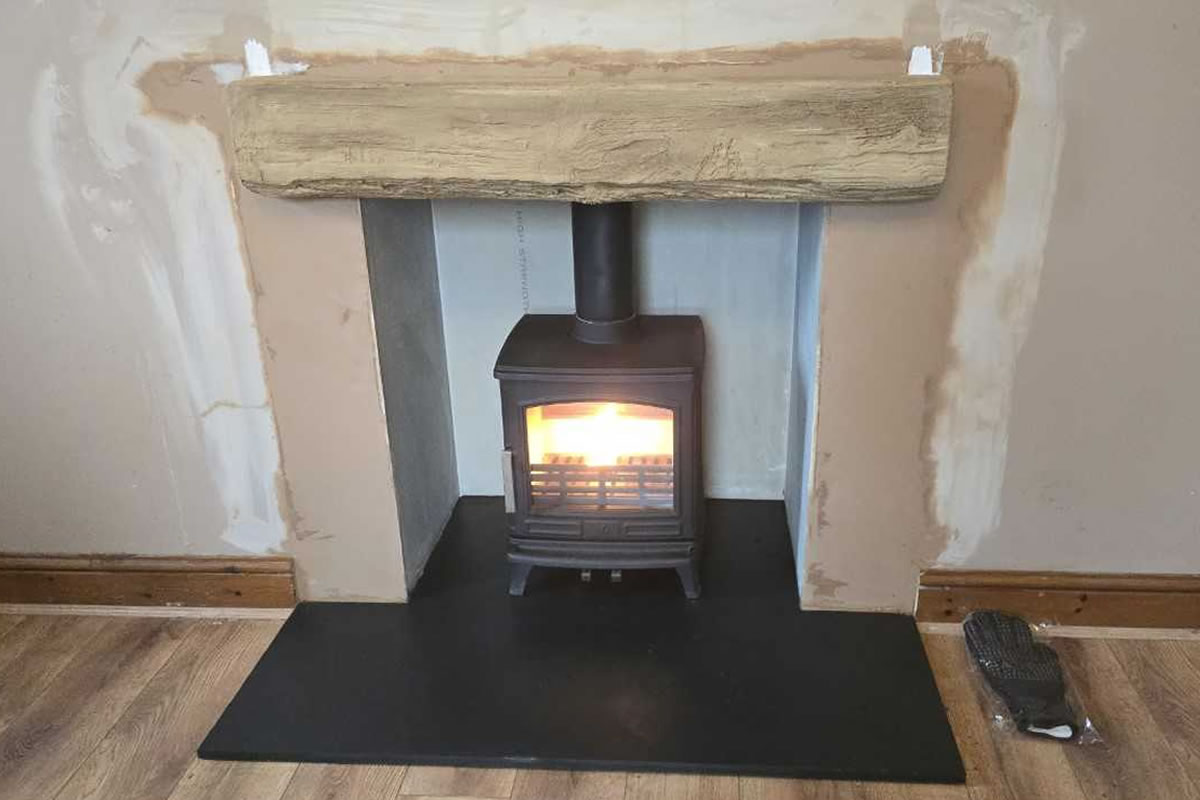
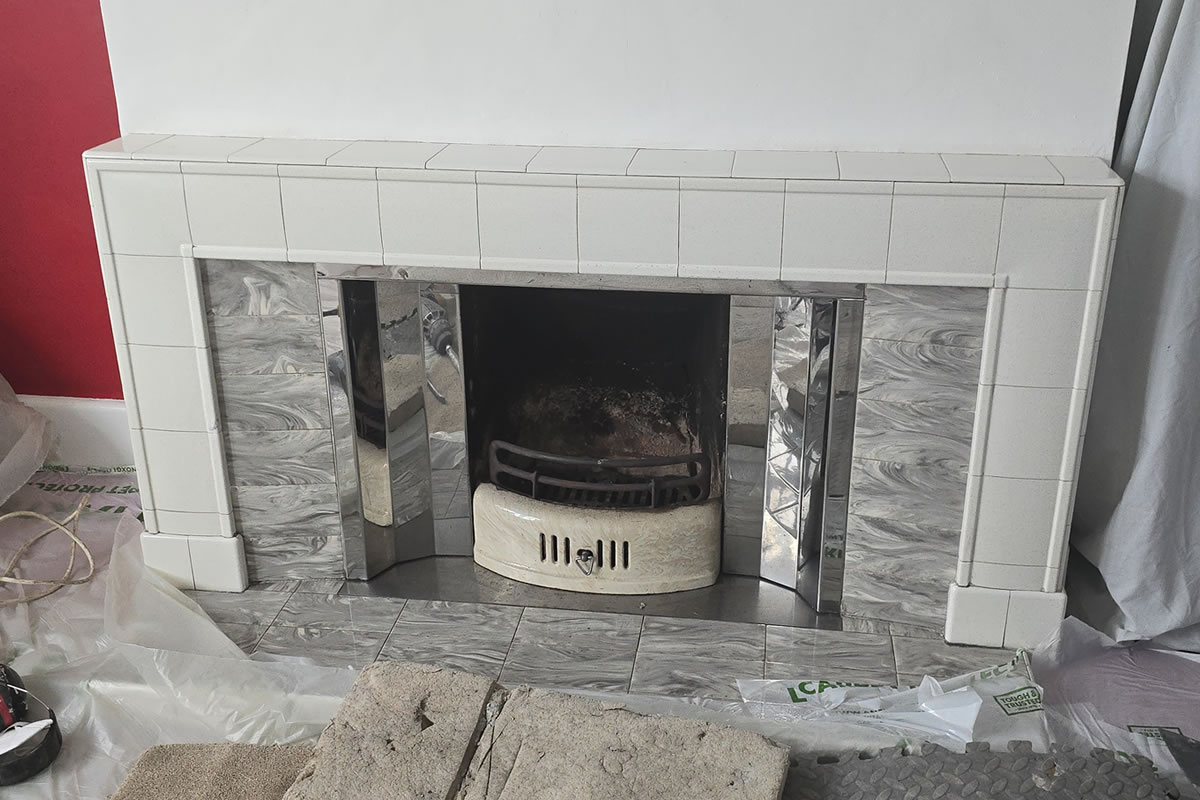
There are various reasons why the size of a recess cannot always be increased, or why in some cases enlargement is not possible at all. Property construction from the 1950s onwards often limits what can be done. Many homes from this period were designed around a small prefabricated opening intended for a gas fire, typically measuring around 16–18 inches (40–46 cm) wide and approximately 22 inches (56 cm) high. These openings frequently form part of a cavity wall, which means enlarging the recess could compromise the structural integrity of the chimney or supporting walls. In such cases, it is important to consult Building Regulations Document J, which sets out the requirements for the construction and modification of a recess intended for a solid fuel appliance.
A solution if you can’t enlarge a recess
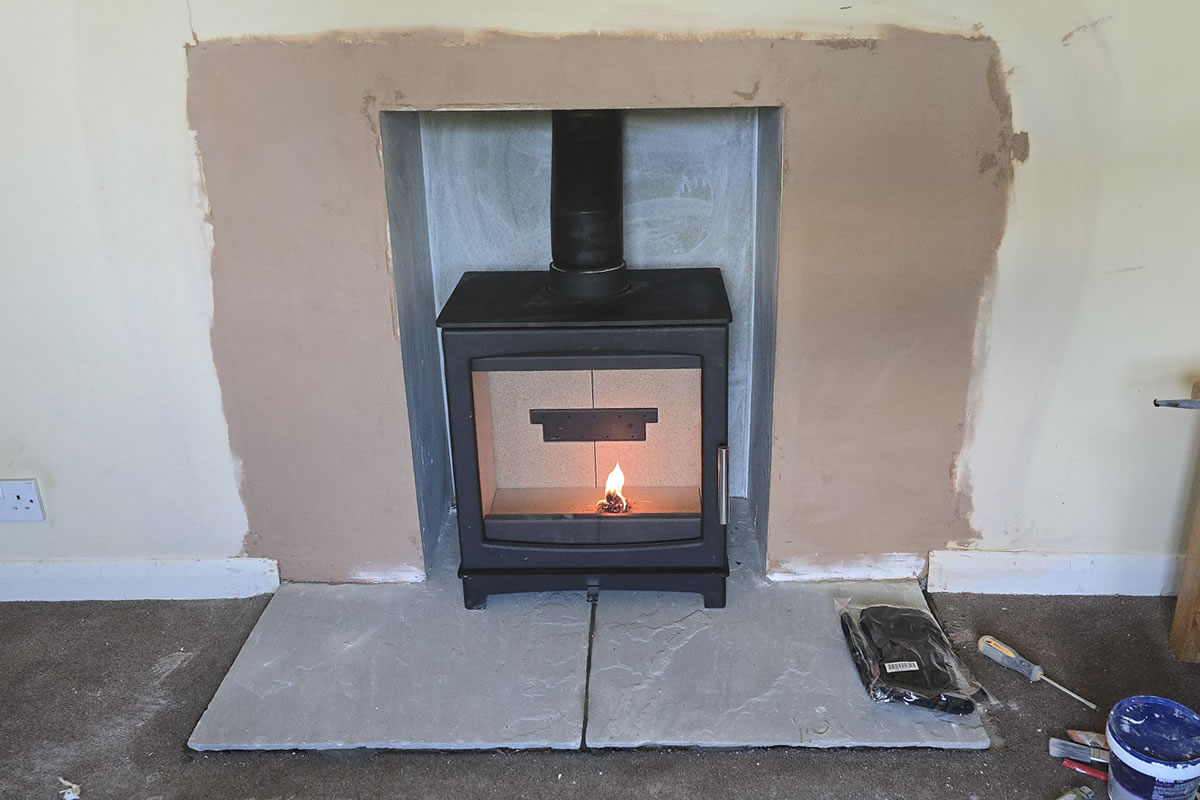
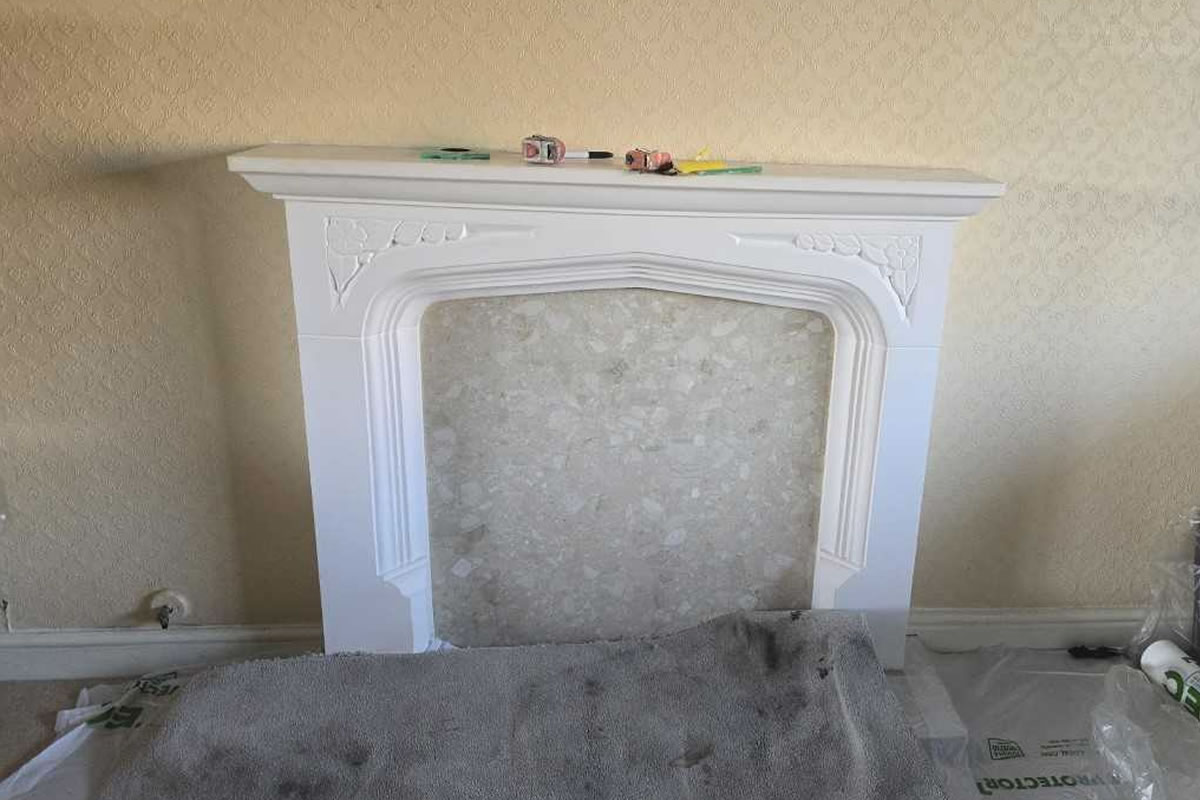
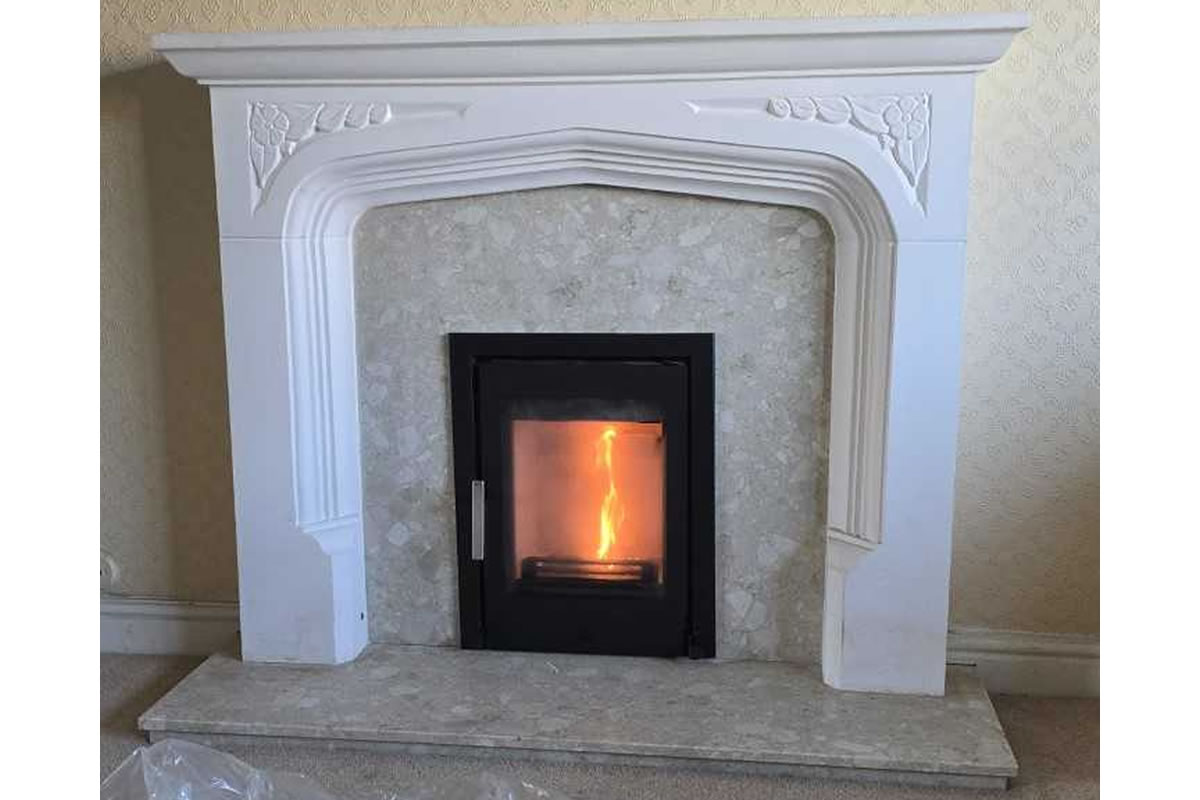
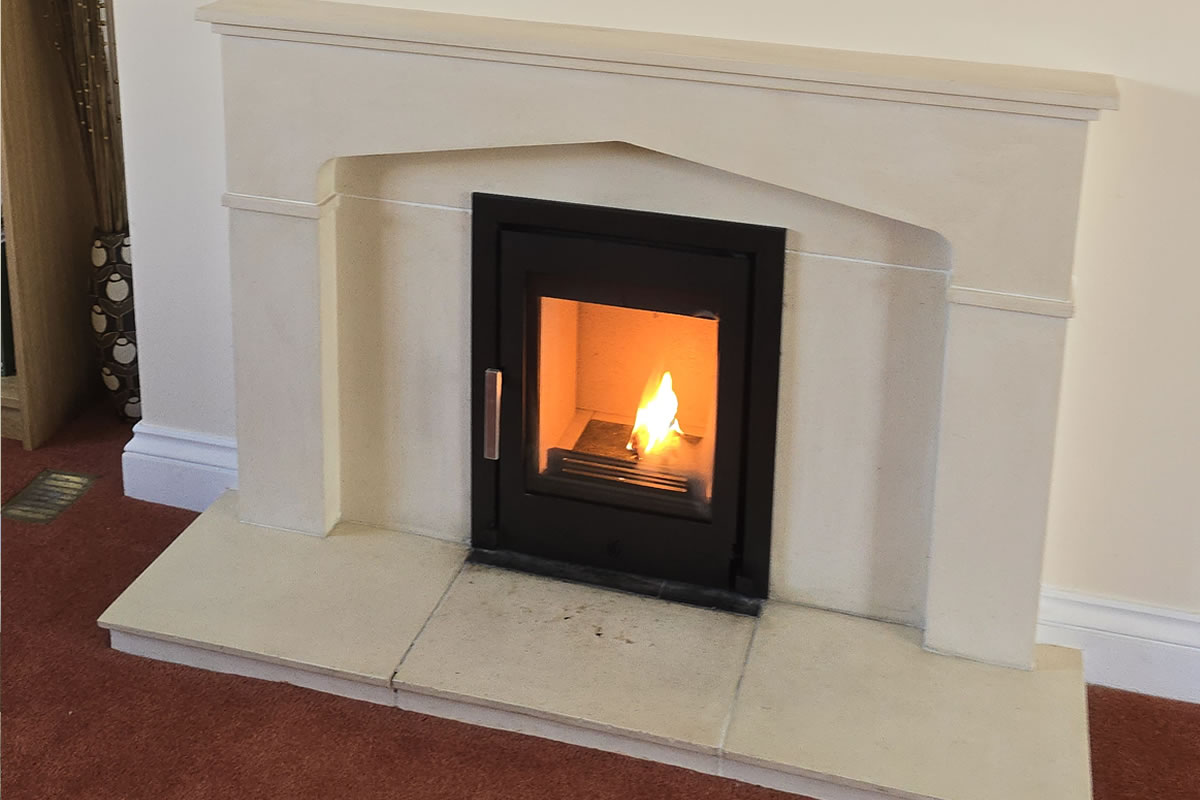
Despite these limitations, there are many woodburners specifically designed to fit into these smaller “builder’s openings”. Cassette and inset stoves provide an excellent alternative when a traditional enlargement is not feasible. One model we install regularly is the ACR T400 multifuel stove—a compact yet efficient appliance that can be neatly fitted into these restricted openings, provided there is sufficient depth available.
We are based in Taunton and cover the Somerset Area.
We are happy to quote on work throughout Somerset, including Taunton, Bridgwater, Wellington, Glastonbury, Weston-super-Mare, Burnham-on-Sea through to Minehead and Exmoor.